
LeavesLeaves are the primary site of photosynthesis in plants. The structure of a leaf, shapes and sizes of leaves, leaf textures, and the arrangement of leaves on a plant, have all evolved to adapt to the environment the plant lives in and enable the leaves to absorb the greatest amount of light. |
|||
 |
 |
 |
 |
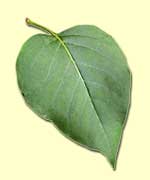
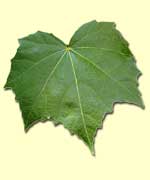
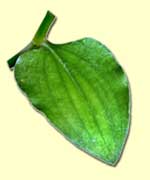
Leaves come in many different sizes and shapes, making them one of the most useful features to identify a plant. There are many ways to categorize leaves. They can be distinguished by the patterns of their main vein arrangement (venation), or by the edge of their blades. Some modified leaves may not look like leaves at all. Here are some examples: |
||||
Simple Leaves: |
||||
| By venation of leaves: | ||||
| Reticulate (or netted) Mainly dicots |
Parallel (or striate) Mainly monocots |
Dichotomous E.g. ferns, cycads, ginkgo |
||
| Pinnate like a feather |
Palmate (Digitate) like a hand |
often sessile | repeated bifurcations (splitting in two) | |
 |
 |
 |
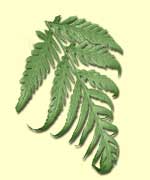 |
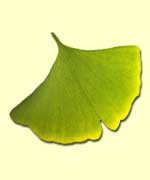 |
| By the edges of leaves: | ||||
| Entire (Whole) smooth edge |
Serrate jagged edge |
Lobed round lobes with irregular deep clefts |
Parted sections separated by angular clefts |
Palmatified finger-like lobes separted by deep clefts |
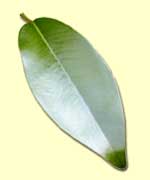 |
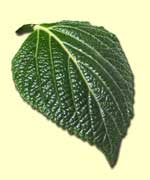 |
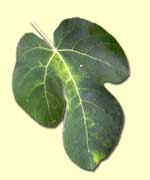 |
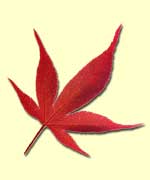 |
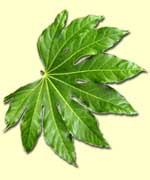 |
Compound Leaves:These leaves have many subdivisions (leaflets) that look like individual leaves. However, leaflets do not have auxillary buds. |
||||
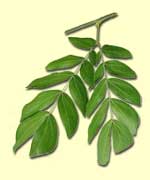
| Odd pinnate odd number of leaflets; midvein ends with a single leaflet. |
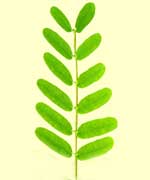
Even pinnate even number of leaflets; midvein ends with a pair of leaflets. |
Bipinnate a pair of even pinnate compound leaves |
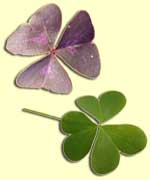
Ternate (trifoliate) three or multiples of three leaflets |
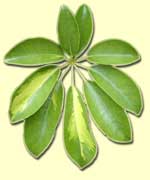
Palmate four or more leaflets attached to the tip of the petiole |
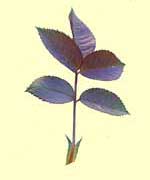 |
 |
 |
 |
 |
Back to Plant Lab mainpage |
Back to Conservatory |