Fruits




Fruits |
|||
|
|
|
|
| Fleshy fruits have fleshy pericarps, and are usually colorful when mature. Their color and sweet fleshes attract animals that can eat the fruits and disperse their seeds internally. |
Drupes |
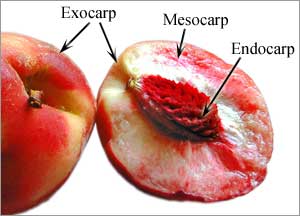 |
Fruit from a simple pistils with
superior ovary,
thin exocarp, fleshy mesocarp, stoney endocarp with a single seed. Fleshy drupes: peach, plum, cherry, mango, coffee, olive, etc. Dry drupes: almond, macadamia, coconut, etc. |
Berries |
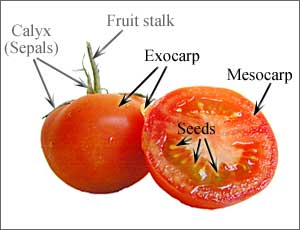 |
Fruit from a simple or compound pistil with superior ovary,
whole pericarp is fleshy, no stoney layer, contains one or many seeds Examples: tomato, persimmon, grape, date, blueberry. |
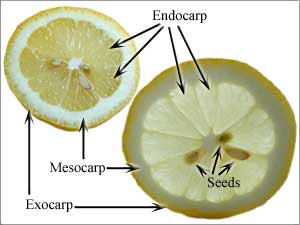 |
Modified berry: Hesperidium
Fruit from a compound pistil of the citrus family (Rutaceae). Exocarp: an aromatic rind. Mesocarp: white pith. Endocarp: fleshy juicy sacs. Seeds: covered by seed coat. Examples: orange, lemon, grapefruit. |
|
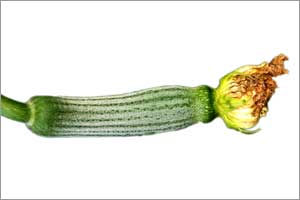 |
False berry: Pepo Fruit from a compound pistil with inferior ovary. Outer layer formed by the receptacle and exocarp; a type of accessory fruit. Examples: banana; most members of the squash family (Cucurbitaceae) such as watermelon, cantaloupe, cucumber. |
|
Pomes |
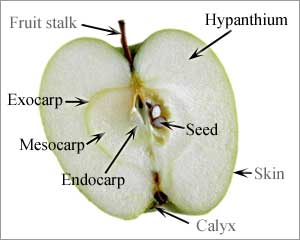 |
Fruit from the compound inferior ovary
of the apple subfamily (Maloideae) within the rose family (Rosaceae); Core is the true fruit; fleshy part is the enlarged base of the perianth; a type of accessory fruit. Examples: apple, pear, pomegranate, loquat. |
Back to Plant Lab mainpage |
Back to Conservatory |